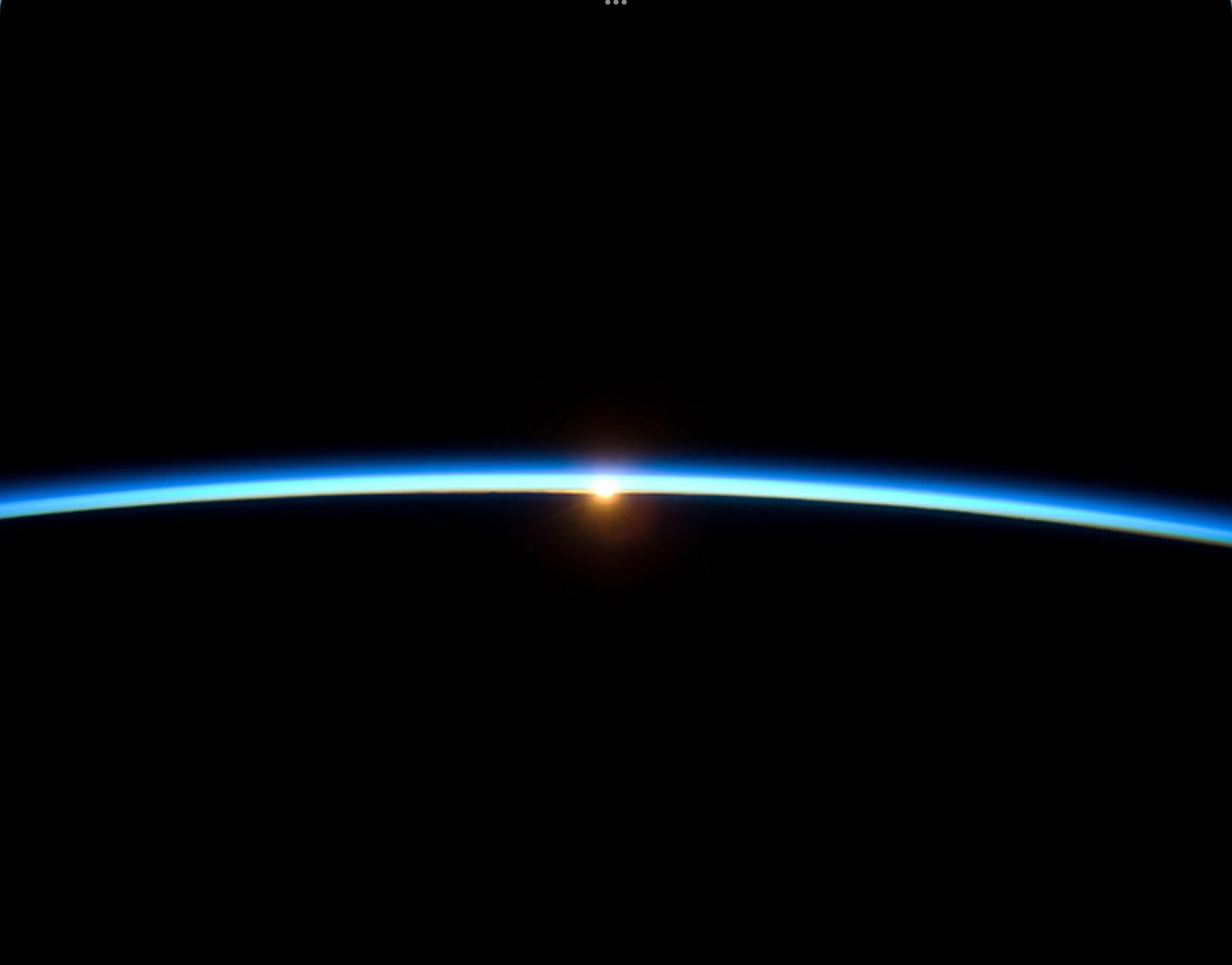
2026 Isn’t a Reset. It’s a Trajectory.
There’s something misleading about how we talk about the start of a new year.
January implies clean edges. Fresh starts. Blank pages.
But most of us aren’t standing at the beginning of anything.
We’re already moving.
In spaceflight, once an object is in motion, the question stops being how do we begin? and becomes where are we actually headed? At that point, intent matters less than trajectory. Direction outweighs enthusiasm. Small forces, applied consistently, matter more than dramatic gestures made once.
That feels like the right frame for 2026.
Technologically, culturally, personally—we are not resetting systems. We’re living inside momentum we helped create. AI didn’t suddenly appear. Space didn’t become commercial overnight. Our lives didn’t pause on December 31. What feels new now is simply what has reached visibility.
This is why the language of “reinvention” feels off.
Reinvention assumes a break.
Trajectory assumes continuity—and responsibility.
Once you start thinking this way, different things come into focus. You stop asking whether something looks perfect at the start and start paying attention to drift, correction, and compounding effects. You begin to notice the quiet shifts that don’t make headlines but ultimately determine outcomes.
As 2026 begins, these are the things I’m watching—not because they’re loud, but because they’re directional.
First, I’m watching how quiet systems are replacing bold visions. Across technology, space, and culture, the most durable work right now looks more like infrastructure than inspiration. It’s layered, operational, and designed to hold weight over time. It doesn’t announce itself well—but it lasts.
Second, I’m watching how momentum is becoming more valuable than novelty. We’ve spent years rewarding what’s new. What’s beginning to matter more is what compounds. Ideas, platforms, and paths that keep moving—even imperfectly—are outpacing those built on constant reinvention.
Third, I’m watching how stewardship is starting to matter more than disruption. Disruption made sense when systems were static. In a world already in motion, real leverage comes from guiding, maintaining, and correcting what exists. This shift is subtle, but it changes who earns trust and influence.
I’m also watching how complexity is no longer something we can outsource. Whether it’s AI, space, or our own lives, we’re past the phase of assuming someone else fully understands the system on our behalf. Literacy—understanding how things work well enough to ask better questions—is becoming a form of agency.
And finally, I’m watching how orientation is quietly replacing optimization. Instead of asking, How do I get better results? more people are asking, Am I even pointed in the right direction? That question doesn’t generate quick answers—but it reshapes everything that follows.
None of this feels dramatic. That’s the point.
The most consequential changes rarely arrive with a countdown. They show up as shifts in what we pay attention to, what we tolerate, and what we decide is worth sustaining.
So I’m not entering 2026 asking what I want to start.
I’m asking what I’m already in orbit around—and whether the trajectory still makes sense.
Because once you recognize motion, the work isn’t about reinvention.
It’s about adjustment.
And the future—of technology, of space, and of our own lives—will be shaped less by bold resolutions than by how carefully we choose to steer what’s already moving.